
A California GC. Engineering first, hands behind it.
Salyers Construction has held a California B1 general contractor license since 2011. The work is structural strengthening (principally fiber reinforced polymer seismic retrofit), with industrial epoxy coatings filling the calendar between seismic projects.
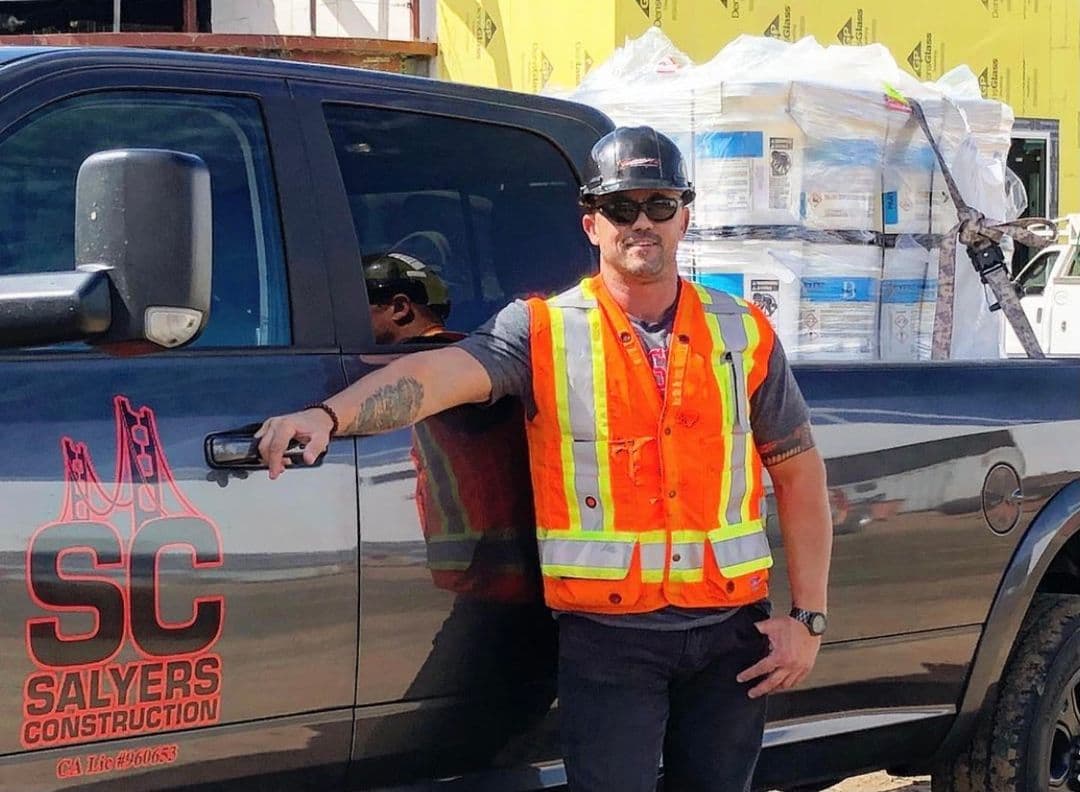
Structural strengthening, with coatings the other half of the shop.
Salyers Construction is a California general contractor focused on structural strengthening using fiber reinforced polymer. The company has been licensed since 2011 and operates as a small, non-union shop. The two practical consequences of that: agile mobilization, and direct contact with the lead on your job.
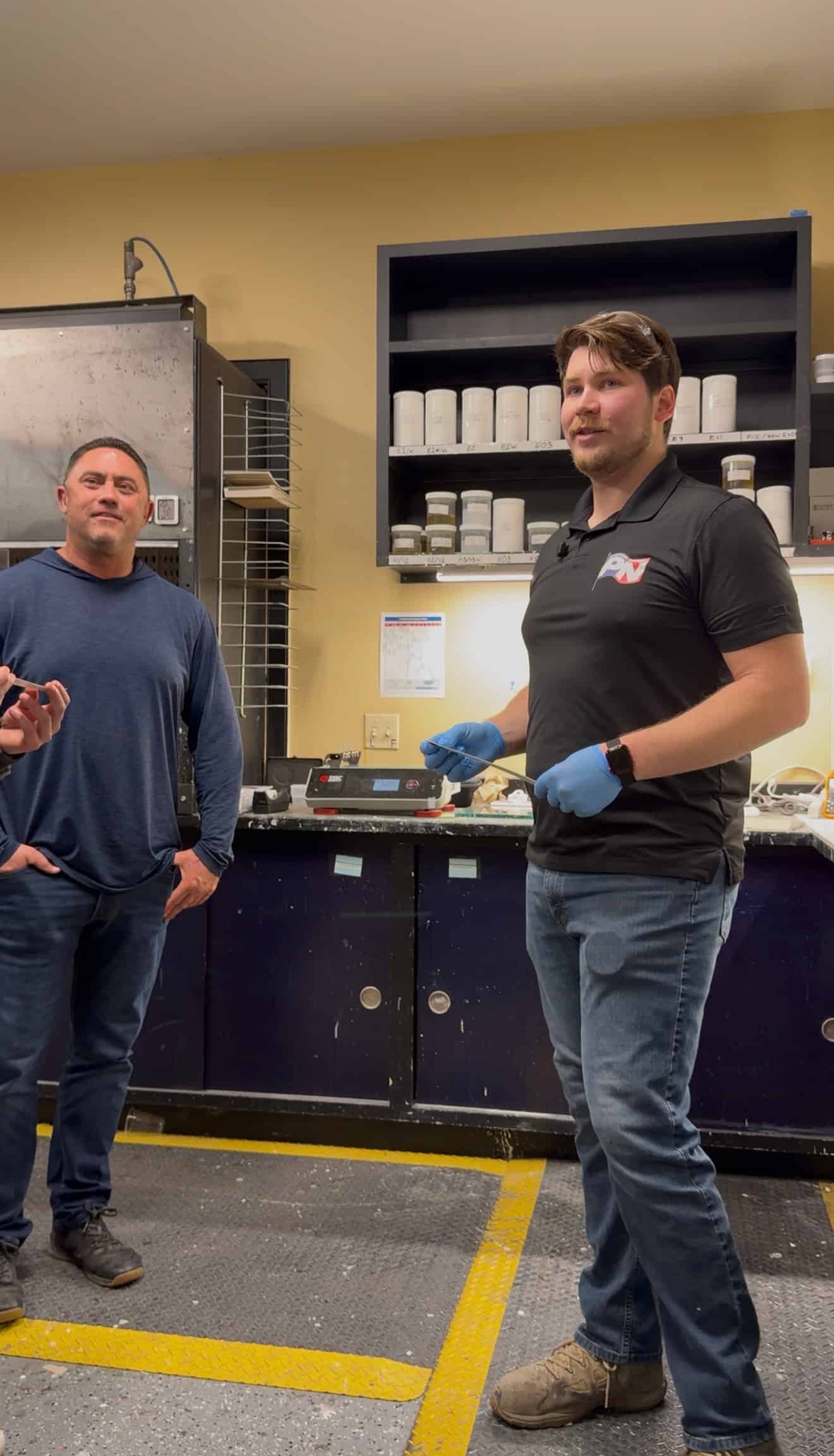
Industrial epoxy coatings round out the work: Polymer Nation systems for parking decks, industrial floors, and high-traffic commercial. Training was completed in person in Chicago. Coatings is filler work between seismic projects, and the focus is Northern California, with statewide availability for the right job.
See the seismic FRP work →Built for the work bigger contractors will not bid.
The bigger structural strengthening and concrete-restoration contractors in California (Pullman and Structural Technologies (both Structural Group companies), Penhall’s seismic-retrofit division, and the broader union sector) are built around the largest infrastructure and restoration programs. We pick up the engineered work that sits beneath that threshold.
Lower overhead, faster mobilization, direct contact.
A small, non-union shop means lower overhead, faster mobilization on tight projects, and a phone tree that does not go through three layers of project management to reach the lead.
An applicator who reads drawings and stands behind the spec.
Where a structural engineer needs an applicator who reads drawings, can mobilize without a months-long lead time, and stands behind the spec, that is the engineered work Salyers is set up to pick up.
The spec is written by other engineers. We install to it and document it.
The structural work is technical and the spec is written by other engineers. The structural engineer of record produces the design intent. Fyfe Engineering, on the materials side, works with the engineer of record to produce the application drawings. We bid and install to that package, with documented QA at handover.
Salyers does not pretend to be a 200-person concrete restoration company. What the shop is set up to do is read EOR drawings, install to a certified system specification, and document what was done: a coherent paper trail for the building official, the owner, and the warranty path.
What that looks like in scope
Seismic FRP covers commercial, industrial, and multifamily: concrete and masonry strengthening, column wraps, beam strengthening, and shear and flexural strengthening. Industrial coatings are epoxy and resinous systems for industrial floors, parking decks, and high-traffic commercial. Seismic is statewide; coatings are tighter, with Northern California as the base.
See full certifications →Honest about the shape of the company.
Salyers Construction is a small shop with a narrow specialization. What follows is an honest read of where the company fits in the California FRP and structural strengthening market, and where it does not.
The shop is small. That means lower overhead, faster mobilization on tight projects, and a phone tree that does not go through three layers of project management to reach the lead.
Salyers does not pretend to be a 200-person concrete restoration company. What the shop is set up to do is read EOR drawings, install to a certified system specification, and document what was done.
Seismic FRP is the primary line of business, and the team will travel anywhere in California for it. Coatings is geographically tighter (Northern California is the base), but the shop will travel for a right-sized job.
A residential garage coating, a soft-story wood-frame retrofit that is purely carpentry, a water intrusion claim: all of those should go to a contractor set up for that specific trade.
Engineered seismic strengthening and resinous floors.
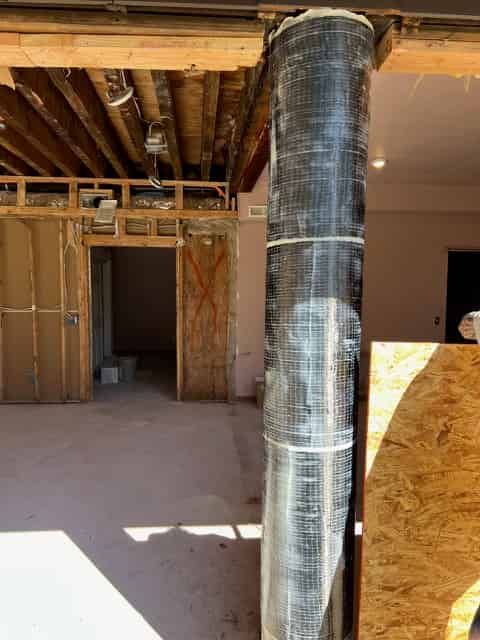

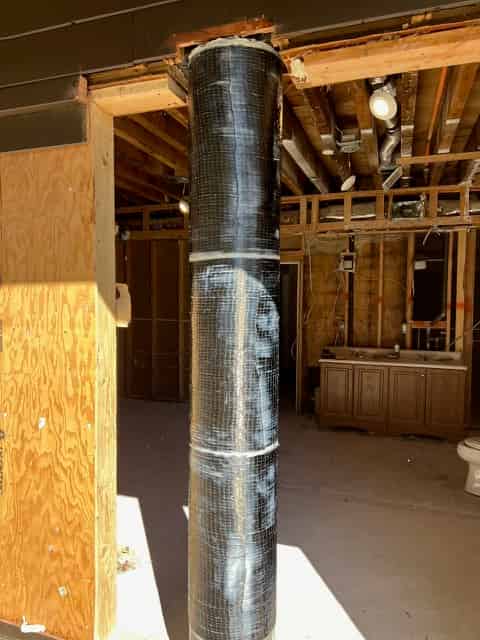
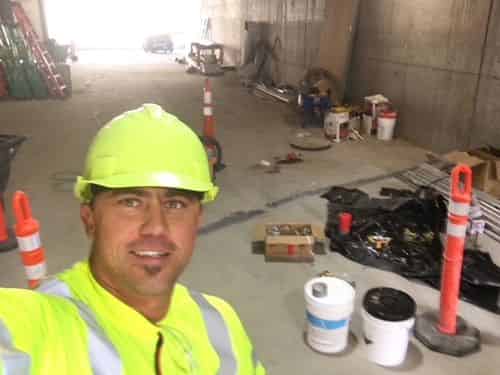
Engineering first, hands behind it.
If the engineer of record has issued drawings, or your asset is screened into a city soft-story or seismic program, send them over. We’ll go over them, walk the site, and send a written, itemized bid.